
Three in four: a new estimate puts the scale of CTE among deceased NFL players in stark terms
An estimated 75 percent of professional football players who died over a 15-year span had signs of chronic traumatic encephalopathy, or CTE, according to a study published on Wednesday, 28 October 2026. It is, as NBC News reported, the highest estimate to date — and it is an esti
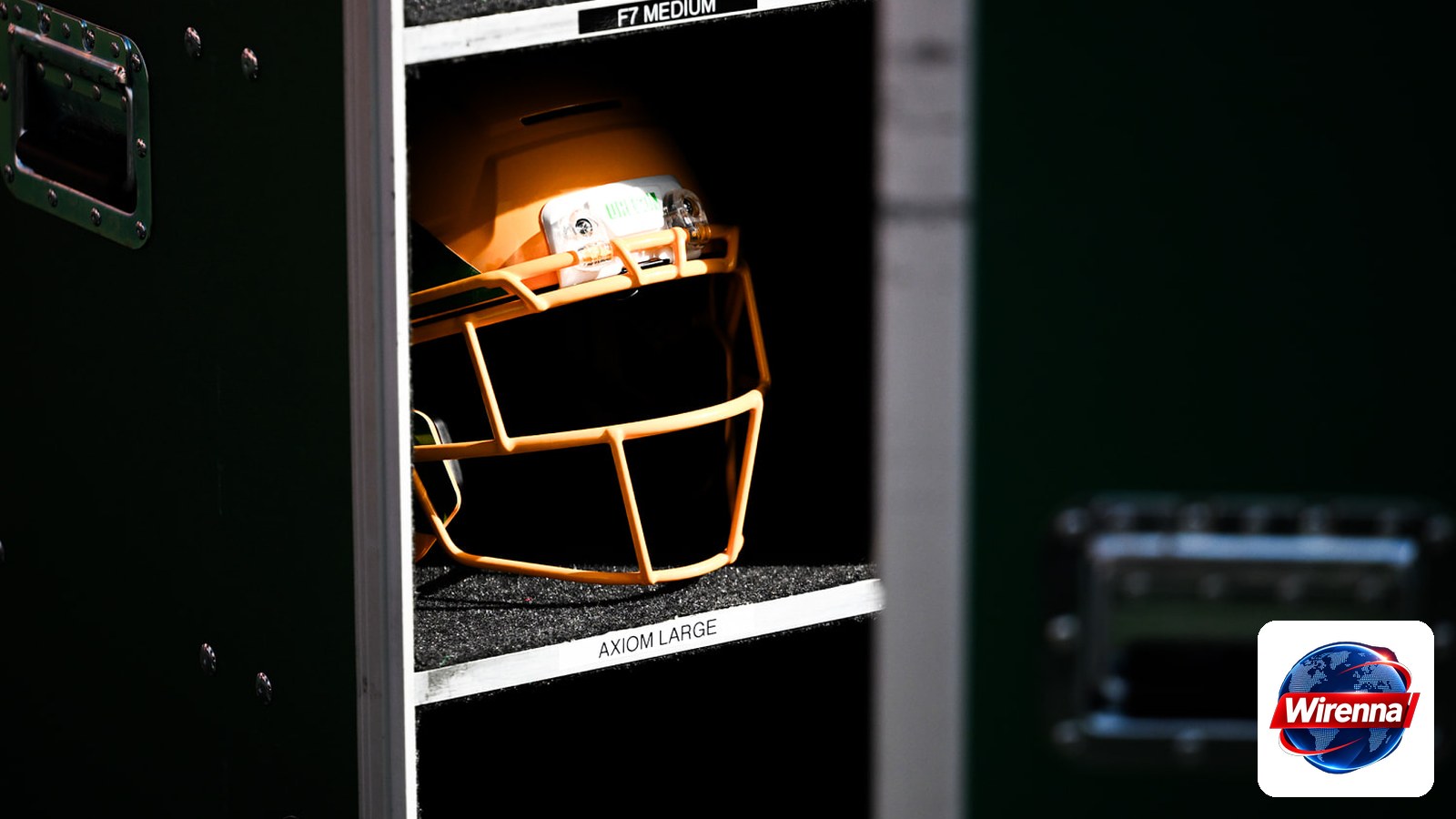
An estimated 75 percent of professional football players who died over a 15-year span had signs of chronic traumatic encephalopathy, or CTE, according to a study published on Wednesday, 28 October 2026. It is, as NBC News reported, the highest estimate to date — and it is an estimate, not a headcount. The study does not say that three in four living former players have CTE. It does not say that CTE caused any particular player's symptoms or death. What it does, for the first time on this scale, is try to answer how common CTE was among all former NFL players who died in a given period, not just among those whose brains were donated.
CTE is a degenerative brain disease linked to repeated head impacts, progressive, characterised by abnormal deposits of tau protein in the brain. It cannot currently be diagnosed definitively in a living person; definitive diagnosis requires examination of brain tissue after death. If you only study brains that families choose to donate, and families are more likely to donate when a loved one showed memory, mood or behavioural problems, your sample will over-represent symptomatic people. Researchers call this donation bias, and it has been the central criticism of earlier CTE studies.
The new study, published in JAMA Network Open and led by researchers at Boston University, with Mass General Brigham and the Concussion & CTE Foundation, examined 2,362 deceased former NFL players who died between 2008 and 2023, who had spent an average of about five years in the league. Of those, 396 had donated their brains to the UNITE Brain Bank, and about 93 to 94 percent of those donated brains showed signs of CTE. The remaining 1,966 players had not donated brains, but their records were available through the National Death Index. By combining brain-bank findings with death-record data, and modelling how much more likely families of players with cognitive symptoms were to donate — about five times more likely — researchers adjusted the high donated-brain rate downward to a population-level estimate of 74.5 percent, or about 1,760 of roughly 2,360 players. That is the figure behind "75 percent": a modelled estimate, not a direct count of 1,760 confirmed cases.
In community brain banks in the United States, Australia, Austria and Brazil, CTE is identified in fewer than 1 percent of deceased donors, according to the Boston University summary as reported. The gap between less than 1 percent and an estimated 74.5 percent among deceased former NFL players is, in researchers' framing, evidence of how closely the condition is associated with repeated head impacts in contact sports, especially football, though community donors are not a perfect control group.
The new estimate also narrows uncertainty compared with earlier work: in August 2026, the same team published an estimate for players who died between 2016 and 2021 that ranged from 25 percent to 98 percent. The October study, by adding death-record data and an explicit donation-bias adjustment, produces a single central estimate of 74.5 percent. Senior author Yorghos Tripodis told NBC News the result surprised him enough that he checked the math twice, while stressing the figure remains a best estimate because CTE cannot yet be diagnosed in living people.
Other findings add nuance headlines often omit. About 27 percent of decedents were estimated to have had dementia during their lifetime. That is not the same as 75 percent. Post-mortem CTE pathology does not always mean a person had symptoms while alive; many cases may have been early-stage and possibly symptom-free, with stages I to IV based on severity. Having CTE neuropathology and having lived with CTE symptoms are related but distinct.
The study does not predict prevalence among living NFL players, who are younger, played in different eras, and have not reached the ages at which many deceased players died. It does not address college or youth players. It does not, by itself, establish that any specific intervention would have prevented any specific case. Lead author Julia Gallini said the nearly 75 percent estimated prevalence was "concerning" and that more effort was needed "to support families, diagnose CTE during life, and treat CTE-related symptoms."
At the macro level, more than 20 million men alive today in the United States have played football, according to Tripodis as quoted in reporting, which is why understanding CTE prevalence is framed as a public health question, not only a sports question. The NFL, youth leagues, schools and parents have introduced rule changes, limits on contact practices, concussion protocols and equipment research, and the new study does not evaluate those measures directly, because its population died between 2008 and 2023 and played in earlier eras.
At the micro level, for a family that donated a loved one's brain, a population estimate may confirm a suspicion or raise new questions. For a former player who is alive and worried, the headline figure can be frightening if misread as a personal prognosis. It is not. A population estimate for deceased players does not tell an individual living player whether he has CTE or will develop symptoms. Families seeking advice should speak to a clinician, not rely on a headline percentage.
What should readers watch next? Peer response to the donation-bias adjustment, progress on in-life biomarkers, long-term studies of living former players, and any formal response from the NFL and players' associations on support, screening and prevention. Until then, the verified story is: a Boston University-led study in JAMA Network Open estimates that about three in four former NFL players who died between 2008 and 2023 had CTE pathology, the highest population estimate to date, built by correcting for brain-donation bias, and subject to the caveat that it describes a deceased population, not a prediction for the living.
Health note: this article reports a research estimate about deceased players. It is not medical advice and does not diagnose CTE in any living person. CTE can currently only be confirmed after death.
Source
Source: NBC News
Read the original: https://www.nbcnews.com/health/health-news/study-estimates-75-nfl-players-died-15-year-span-may-cte-rcna605975